
Products
- Home
- Products

Passenger Elevators
A passenger elevator is specifically designed for safely transporting people, featuring comprehensive safety systems and aesthetically pleasing interiors. These elevators vary widely in size, speed, and design options based on their intended use. Known for their efficiency, ease of use, and long-term reliability, passenger elevators operate quietly and with minimal vibration. They are available in geared (with machine room) and gearless (machine-room-less) models, with operating speeds ranging from 0.63 to 2.5 meters per second.
Hospital Elevator
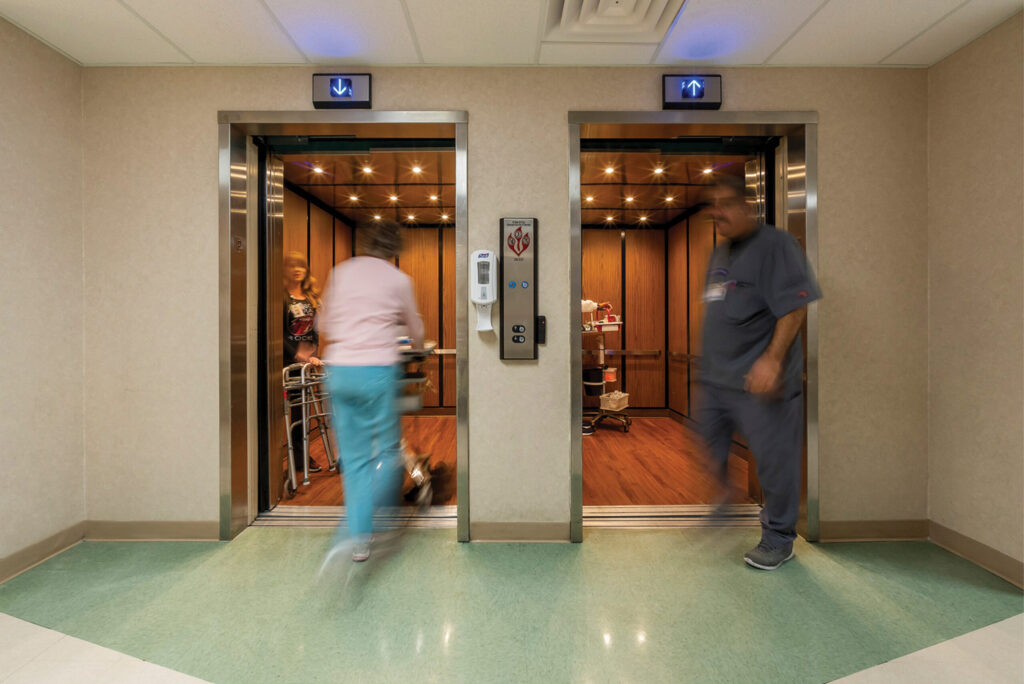
Hospital elevators play a crucial role in patient transportation within medical facilities, enabling the safe and efficient movement of patients between floors or across departments. They are commonly used to transfer patients between wards on the same level or from the ground floor to upper levels. One of the primary advantages of hospital elevators is enhanced safety for both patients and medical staff, particularly during long-distance transfers. Additionally, their use significantly reduces physical strain and fatigue for healthcare personnel and patients alike. Beyond simple transportation, hospital elevators also serve as essential medical transport systems. Various types of hospital lifts are available to meet specific needs, with capacities typically ranging from 10 to 26 passengers.

Home Lift
Installing a home elevator offers a blend of convenience, luxury, and practicality, while also enhancing the overall value of your property. It provides a safe and efficient solution for transporting heavy or bulky items—such as groceries, luggage, or laundry—eliminating the strain and risk associated with using stairs. Modern home elevators are not only functional but also add a stylish and sophisticated touch to any residence. They promote accessibility for all members of the household and are available in capacities ranging from 3 to 5 passengers, making them a thoughtful and forward-thinking addition to any home.
Freight Lift
The primary purpose of a goods lift is to facilitate the efficient loading and unloading of materials. Depending on operational needs, an attendant may be permitted to assist during these processes. A wide range of lift types is available on the market, allowing businesses to select the most suitable option based on their specific requirements. These lifts come in various standard sizes and load capacities, typically ranging from 500 kg to 5000 kg. Additionally, custom dimensions can be tailored to meet unique operational demands. Combining advanced engineering with modern technology, goods lifts represent a smart and valuable investment for any business focused on optimizing material handling.

We Do Maintenance of
All Major Brand Lifts
All Major Brand Lifts
Across Major Cities
We operate across multiple regions including Mysore, Bangalore, Tamil Nadu, and Delhi, NCR region & Gurgaon.
Hospitals
Metro Elevators has installed spacious, large-dimension lifts specifically designed to accommodate critical patients and medical equipment.
House, Apartment & Office
We specialize in designing and installing high-quality elevator solutions for homes, apartments, and corporate offices.
Braille
Our elevators are equipped with Braille-integrated control panels to ensure accessibility for visually impaired individuals.
Professional
All our service executives carry official ID cards during installation and maintenance visits which ensures your safety and peace of mind by preventing unauthorized access by unidentified individuals.
Lift for all budget
Elevator solutions tailored to suit every budget, we have diverse range of machines from budget to luxury.
Work Process Stages
Lift Base Installation
After selecting the ideal location and lift type, the installation process commences with the construction of the elevator base. This often involves excavating a pit to house the lift mechanism. The design and construction of the base are crucial, as they provide essential support and play a key role in ensuring the elevator’s stability and safety.
Lift Shaft Construction
Next, the construction of the elevator shaft begins, involving the development of a structural framework that supports the elevator car during operation. The shaft must offer strong, reliable support for all elevator components and be built to exact specifications to ensure it can withstand the forces generated during lift movement.
Lift Installation
Lift installation begins with the setup of essential elevator machinery, including the machine, pulleys, cables, and other related components. Once these are in place, the elevator car is positioned within the shaft, followed by the installation of wiring, doors, and control systems.
Lift Safety Checks
Before an elevator can be put into operation, comprehensive safety checks are essential. This includes testing key features such as door functionality and alignment, emergency communication systems, elevator leveling, braking mechanisms, and maximum load capacity. In India, the National Building Code (Part 8: Building Services, Section 5 – Installation of Lifts, Escalators, and Moving Walks) outlines the legal standards for lift operations. Additionally, the Bureau of Indian Standards (BIS) provides detailed guidelines covering the design, construction, installation, and maintenance of elevators. Some local authorities may also impose supplementary regulations and safety requirements.